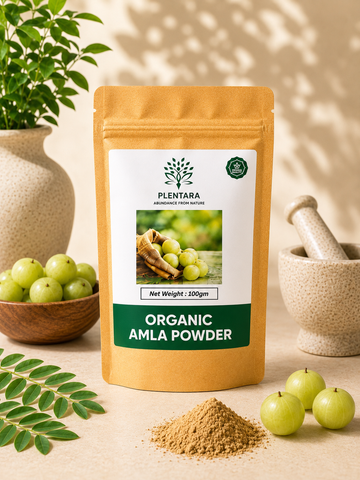
Amla vs Shikakai vs Reetha: Which Ayurvedic Hair Powder Should You Choose?
Exploring herbal hair powders in Australia? Amla, Shikakai and Reetha are three botanicals associated with traditional Indian hair-care routines, but they are not interchangeable. Learn how they differ, what to check before buying and how to choose a powder that fits your preferred routine.
Choosing a herbal hair powder can feel confusing when product names and traditional uses overlap. Should you start with Amla, choose Shikakai for a cleansing-focused routine, or explore Reetha, also known as soapnut?
The easiest way to decide is to look at the botanical identity, the preparation method and the purpose you have in mind. In this guide, we compare Amla powder, Shikakai powder and Reetha powder so you can make a more informed choice when shopping for Ayurvedic hair powders in Australia.
The quick answer: Shikakai and Reetha are traditionally associated with plant-based hair cleansing. Amla is a different botanical commonly included in traditional hair-care preparations. Your best starting point depends on the type of routine you want to create and the directions provided with the individual product.
At a Glance: What Is the Difference?
Amla Powder
Phyllanthus emblica
A traditional botanical associated with Indian hair-care and beauty practices. Often explored in hair-mask preparations and botanical blends.
Shikakai Powder
Acacia concinna
A botanical traditionally associated with hair cleansing. A relevant option for people exploring plant-based cleansing preparations.
Reetha Powder
Sapindus mukorossi
Also called soapnut. Its naturally occurring saponins are associated with the cleansing properties of soapnut preparations.
Botanical names matter because common names can vary across suppliers and regions. For example, the Royal Botanic Gardens, Kew recognises Phyllanthus emblica as the accepted botanical name for Amla, while Emblica officinalis is listed as a synonym. You can check the botanical identity through Kew's Plants of the World Online database.
1. Amla Powder: A Traditional Botanical for Hair-Care Preparations
Amla, also known as Indian gooseberry or Amalaki, is a fruit used in traditional Indian food, beauty and wellness practices. In hair care, Amla powder is commonly explored as an ingredient in botanical masks and traditional hair-care mixtures.
Unlike powders primarily associated with cleansing, Amla is often chosen by people who want to explore single-ingredient botanical preparations or create a blend according to product directions.
What to know before choosing Amla
- Check the botanical name: look for Phyllanthus emblica or a recognised synonym on the ingredient information.
- Check the intended use: not every Amla powder is necessarily formulated or labelled for topical use.
- Read the preparation instructions: the texture, mixing method and application guidance can vary between products.
- Consider the rest of your routine: if you already use oils, masks or ready-to-use conditioners, decide where a powdered preparation would fit.
Interested in exploring more botanical options? Visit the Plentara Herbal Hair Powders collection to review the available ingredients and their product information.
2. Shikakai Powder: For a Cleansing-Focused Routine
Shikakai has a long association with traditional Indian hair cleansing. It is a different botanical from both Amla and Reetha, and it is often explored by people interested in preparing a plant-based hair cleanser.
Shikakai is commonly identified as Acacia concinna. Some botanical references use the name Senegalia rugata, so checking the botanical information supplied with your product can help you understand exactly what you are purchasing.
What to consider when buying Shikakai
- Purpose: check whether the powder is intended for hair cleansing or another type of preparation.
- Preparation: follow the directions for mixing, application and rinsing.
- Hair routine: consider how it fits with your usual washing and conditioning habits.
- Product information: check the full ingredient details, storage advice and any warnings before use.
If Shikakai is the ingredient you are most interested in, read our dedicated Shikakai Powder for Hair guide for a closer look at its traditional use and how it differs from Reetha.
3. Reetha Powder: Understanding Soapnut
Reetha, also called soapnut, is traditionally associated with plant-based cleansing preparations. Plentara's Reetha powder is identified as Sapindus mukorossi, a botanical whose fruit contains naturally occurring saponins.
Saponins are plant compounds known for their surfactant properties, which help explain why soapnut has a place in traditional cleansing practices. However, a botanical powder is not automatically equivalent to a formulated shampoo. Preparation, concentration, application and rinsing can all affect the experience.
What to consider when buying Reetha
- Check the botanical identity: look for Sapindus mukorossi in the product details.
- Read the directions carefully: use the preparation method supplied for that specific powder.
- Avoid eye contact: cleansing preparations can be irritating if they get into the eyes. Follow the label's safety instructions.
- Don't assume it suits everyone: if your scalp is sensitive or your hair is chemically treated, take extra care when considering a new preparation.
You can also check the botanical name through Kew's Plants of the World Online entry for Sapindus mukorossi.
Amla vs Shikakai vs Reetha: Comparison Table
Use this table as a starting point when deciding which powder to investigate. It describes traditional associations rather than promising a particular cosmetic result.
| Feature | Amla | Shikakai | Reetha |
|---|---|---|---|
| Botanical name | Phyllanthus emblica | Acacia concinna | Sapindus mukorossi |
| Traditional association | Hair-care preparations and botanical blends | Plant-based hair cleansing | Soapnut-based cleansing preparations |
| Possible routine role | Ingredient in a suitable hair mask or blend | Cleansing-focused preparation | Cleansing-focused preparation |
| What to check | Whether the powder is suitable for topical use | Mixing, application and rinsing directions | Preparation, eye-contact precautions and rinsing directions |
| Best way to choose | Match the product to your intended preparation | Consider if a cleansing routine is your goal | Consider if a soapnut-based preparation is your goal |
Remember: there is no universal winner. These botanicals have different characteristics, and results can vary by product, preparation and individual. Choose based on the product's intended use and instructions rather than claims of guaranteed hair growth or treatment.
Which Herbal Hair Powder Should You Choose?
Rather than asking which powder is best for everyone, start with what you want your hair-care routine to do.
You want to explore a botanical hair-mask preparation
Investigate Amla powder products that are explicitly suitable for topical use. Read the directions first, and don't assume every powder is intended for the same application.
You are interested in traditional plant-based cleansing
Start by researching Shikakai. Check the product directions and consider how a prepared botanical cleanser would fit into your existing washing routine.
You want to explore soapnut-based cleansing
Reetha may be worth investigating. Check its botanical identity, intended use and preparation directions, particularly if you are new to powdered cleansing products.
You want to combine all three
Don't assume that every powder should be mixed together. Only combine ingredients when the product directions support the intended preparation. Introducing one new product at a time also makes it easier to notice any unwanted reaction.
How to Introduce Herbal Hair Powders Into Your Routine
Powdered botanicals often need more preparation than ready-to-use hair products. A careful, product-led approach helps you understand how each one fits into your routine.
-
Read the complete product information.
Confirm the botanical name, intended use, ingredients, warnings and preparation directions before opening the pack. -
Prepare the product as directed.
Don't use a generic recipe for every botanical. Mixing ratios, suitable liquids and application times can differ between products. -
Test cautiously before wider application.
Follow any product-specific testing instructions. If appropriate, test a small area first and discontinue use if irritation develops. -
Keep the first routine simple.
Avoid introducing several unfamiliar powders and other new products at the same time. -
Rinse and store as instructed.
Follow the product's rinsing directions and keep the powder sealed, dry and stored according to its label.
What Should Australian Shoppers Check Before Buying?
If you're buying Ayurvedic hair powders online in Australia, use this checklist to compare products more confidently.
- Botanical name: confirm the plant identity rather than relying on the common name alone.
- Ingredient list: check whether the product contains a single botanical or a blend.
- Intended use: confirm whether the powder is meant for hair cleansing, a mask, colouring or another preparation.
- Clear instructions: look for preparation, application, rinsing and storage guidance.
- Supplier transparency: check the product description, pack information, contact details and relevant warnings.
- Realistic claims: be cautious of promises to reverse baldness, guarantee hair growth or treat scalp conditions without appropriate evidence and regulatory support.
Australian product classification and advertising requirements depend on a product's intended use, ingredients and claims. The Australian Government's TGA guidance on cosmetics and therapeutic goods explains the distinction, while AICIS guidance on cosmetics and therapeutics provides further information.
Explore Herbal Hair Powders at Plentara
If you're ready to compare botanical ingredients, Plentara's herbal hair-powder range offers a place to start. Review each product's botanical name and directions so you can select a powder that matches the preparation you have in mind.
Find Your Botanical Starting Point
Explore herbal powders, compare individual ingredients and read the product details before choosing your next hair-care preparation.
Shop Herbal Hair PowdersFor more detail, continue with our Herbal Hair Powders in Australia guide or explore the dedicated Shikakai Powder for Hair article. These guides cover the broader category and individual botanical preparation in more detail.
Frequently Asked Questions
What is the difference between Amla, Shikakai and Reetha?
Amla is a botanical commonly explored in traditional hair-care preparations. Shikakai and Reetha are different plants traditionally associated with hair cleansing. Their ingredients, preparation methods and intended uses are not identical.
Is Shikakai the same as Reetha?
No. Shikakai is commonly identified as Acacia concinna, while Reetha or soapnut is Sapindus mukorossi. They are different botanicals, even though both have traditional associations with plant-based cleansing.
Can Amla, Shikakai and Reetha be mixed together?
Some botanical hair-care preparations use combinations of these ingredients, but you should not assume every product is suitable for mixing. Follow the directions for each individual product and only combine them when the instructions support that use.
Which is best for hair growth?
None of these powders should be treated as a proven or guaranteed hair-growth treatment. They have different traditional uses, and evidence for a specific product depends on its formulation and intended use. If you have persistent or significant hair loss, speak with an appropriate healthcare professional.
Can I use herbal hair powders on coloured or chemically treated hair?
Suitability depends on the specific powder, your hair treatment and the preparation method. Read the product directions and consider asking your hair professional if you're unsure how a new preparation may interact with your existing routine.
Are herbal hair powders suitable for sensitive scalps?
Natural ingredients can still cause irritation or sensitivity. Check the ingredients and warnings, follow the manufacturer's testing guidance and stop using a product if you experience an unwanted reaction.
Where can I buy Amla, Shikakai and Reetha powder in Australia?
You can explore the Plentara Herbal Hair Powders collection to review available botanical powders and their product details. Check each listing to confirm current availability, intended use and directions.
Final Thoughts
Amla, Shikakai and Reetha each have a place in traditional botanical hair-care practices, but choosing between them starts with understanding their differences. Amla is commonly explored in hair-care preparations, while Shikakai and Reetha are more closely associated with plant-based cleansing.
Read the botanical names, check the intended use and follow the instructions supplied with the product. A thoughtful routine begins with choosing the right preparation for your needs, not with assuming that one ingredient works for everyone.
Ready to explore? Browse the Plentara Herbal Hair Powders collection and compare the botanical ingredients available for your routine.
Information in this article is for general educational purposes and describes traditional botanical hair-care practices. It is not medical advice and does not establish that a product treats or prevents a medical condition. Always follow the product label and consult an appropriate professional if you have concerns about scalp or hair health.