Ayurvedic Shampoo and Conditioner: Benefits & How to Use
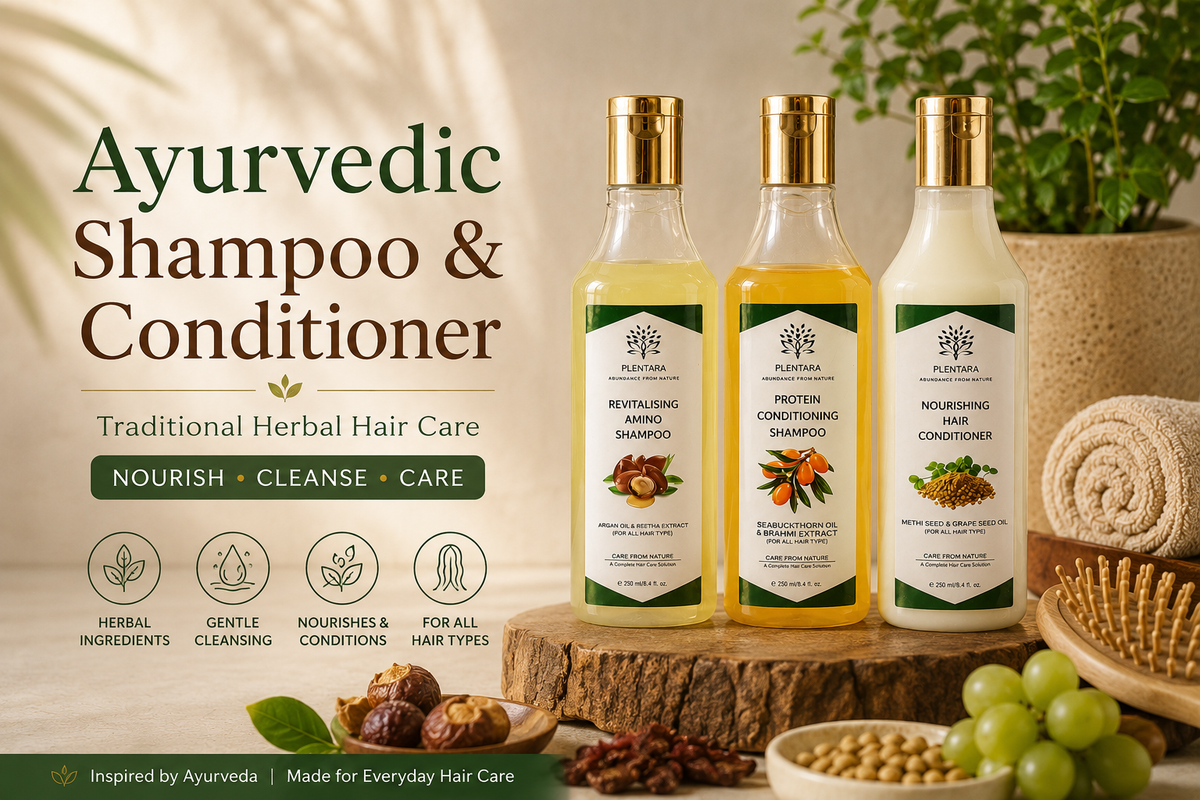
If you are looking for a more thoughtful approach to your hair-care routine, Ayurvedic shampoo and conditioner can be an interesting option to explore. Rooted in traditional Ayurvedic hair-care practices, these products often combine plant-based ingredients and traditional herbs with the practical cleansing and conditioning steps used in modern hair care.
But what actually makes Ayurvedic shampoo different? What ingredients are commonly used, and how should shampoo and conditioner fit into your routine?
In this guide, we explore Ayurvedic hair care in simple terms, look at commonly used Ayurvedic ingredients, explain how shampoo and conditioner work together, and share practical tips for creating a straightforward hair-care routine in Australia.
What Is Ayurvedic Shampoo and Conditioner?
Ayurvedic shampoo and conditioner are hair-care products inspired by traditional Ayurvedic approaches to personal care.
Ayurveda has a long history of using plants and herbs as part of traditional hair-care practices. Ingredients such as amla, bhringraj, shikakai, brahmi, hibiscus and fenugreek are commonly associated with Ayurvedic hair care.
Modern Ayurvedic hair products combine these traditional ingredients with formulations designed for everyday cleansing and conditioning.
It is important to distinguish traditional Ayurvedic use from modern scientific evidence. An ingredient being traditionally used in Ayurveda does not automatically mean that every claimed benefit has been scientifically established.
How Is Ayurvedic Hair Care Different?
The main difference is often the ingredients and philosophy behind the formulation.
Conventional hair-care products can contain a wide range of cleansing, conditioning, fragrance and styling ingredients. Ayurvedic-inspired products may incorporate traditional botanical ingredients alongside modern cosmetic ingredients to create a hair-care formula.
Rather than looking for a single ingredient that promises to solve every hair concern, a practical hair-care routine focuses on consistent cleansing, conditioning and choosing products that suit your hair and scalp.
This makes Ayurvedic shampoo and conditioner an option worth considering for people interested in combining traditional botanical ingredients with a simple modern hair-care routine.
Common Ayurvedic Ingredients Used in Hair Care
Ayurvedic hair care includes a wide variety of traditional herbs. The exact ingredients differ between products and formulations, so it is important to check the ingredient list of the individual product.
Amla
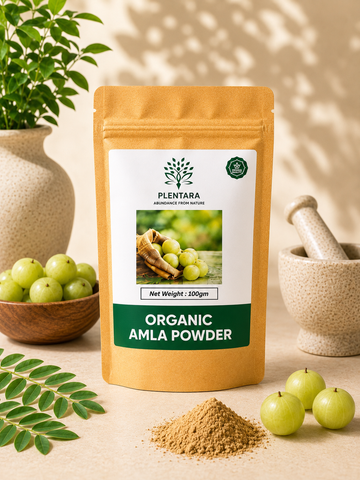
Amla, also known as Indian gooseberry, is a well-known ingredient in traditional Ayurvedic hair care.
It is commonly used in traditional hair-care preparations and is associated with conditioning and general hair-care routines.
Bhringraj
Bhringraj is another traditional Ayurvedic herb frequently found in hair-care preparations.
It has a long history of use in Ayurvedic traditions and is commonly included in herbal hair oils and hair-care formulations.
Shikakai
Shikakai has traditionally been used as a botanical hair cleanser.
Its name is closely associated with traditional Indian hair-care practices, where plant-based preparations have been used to cleanse and care for the hair.
Reetha
Reetha, also known as soapnut, is traditionally valued for its cleansing properties.
It has historically been used in herbal hair-washing preparations and may appear in Ayurvedic-inspired cleansing products.
Brahmi
Brahmi is a traditional Ayurvedic herb that is also used in various personal-care preparations.
In Ayurvedic hair care, it is commonly associated with herbal hair routines and botanical formulations.
Hibiscus
Hibiscus is another popular botanical ingredient in traditional Indian hair care.
It is used in a variety of hair masks, oils and herbal preparations and is often included in modern botanical hair-care products.
Fenugreek
Fenugreek seeds have also been used traditionally in Indian and Ayurvedic hair-care preparations.
They are commonly incorporated into homemade hair masks and herbal formulations.
Benefits of Using Ayurvedic Shampoo and Conditioner
The benefits of a particular shampoo or conditioner depend on its formulation, ingredients and how it is used.
For everyday hair care, shampoo and conditioner have different but complementary roles.
Cleansing
Shampoo is primarily used to cleanse the scalp and hair by removing oils, dirt, sweat and product build-up.
A suitable shampoo should leave the hair feeling clean without becoming an unnecessarily harsh part of your routine.
Conditioning
Conditioner is generally used after shampooing to improve the feel and manageability of the hair.
Depending on the formulation, a conditioner can help leave hair feeling softer and smoother after washing.
Supporting a Simple Hair-Care Routine
Consistency is often more useful than constantly changing products.
Using a shampoo and conditioner that suit your hair type can make it easier to maintain a straightforward routine.
Botanical Hair-Care Ingredients
For people who enjoy traditional plant-based ingredients, Ayurvedic hair products offer a way to incorporate familiar botanical ingredients into an everyday hair-care routine.
However, the presence of a botanical ingredient alone does not guarantee a particular result. Always consider the complete formulation and follow the product directions.
How to Choose Ayurvedic Shampoo and Conditioner
There is no single shampoo or conditioner that is ideal for everyone.
Your choice should depend on your hair type, scalp, existing routine and the formulation of the product.
For Dry or Rough-Feeling Hair
If your hair tends to feel dry or rough, look for a cleansing routine that does not leave your hair feeling excessively stripped.
A suitable conditioner can be particularly useful after shampooing to improve softness and manageability.
For Oily Hair
If your scalp becomes oily quickly, regular cleansing may be an important part of your routine.
Choose a shampoo according to the product directions and your individual needs rather than assuming that stronger cleansing is always better.
For Normal Hair
If your hair generally feels balanced, a simple shampoo-and-conditioner routine may be all you need.
There is no requirement to use a complicated collection of products when a straightforward routine works well for you.
For Curly or Textured Hair
Curly and textured hair can have different conditioning needs.
Pay attention to how your hair feels after washing and consider where conditioner is applied. Many people find that focusing conditioner through the lengths and ends makes it easier to manage their hair.
For Coloured or Chemically Treated Hair
If your hair has been coloured, straightened or chemically treated, check the product directions and ingredient information before introducing a new hair-care product.
When in doubt, follow the recommendations of your hair professional.
How to Use Ayurvedic Shampoo and Conditioner
A simple routine can make Ayurvedic shampoo and conditioner easy to incorporate into everyday hair care.
Step 1: Wet Your Hair
Thoroughly wet your hair with comfortable-temperature water before applying shampoo.
Step 2: Apply Shampoo
Apply the recommended amount of shampoo and gently work it through the scalp and hair.
Avoid using excessive pressure when massaging the scalp.
Step 3: Rinse Thoroughly
Rinse the shampoo completely before moving on to conditioner.
Step 4: Apply Conditioner
Apply conditioner according to the product directions.
For many conventional conditioning routines, conditioner is concentrated through the lengths and ends rather than heavily applied directly to the scalp.
Step 5: Rinse
Rinse thoroughly and style your hair as usual.
Always follow the specific instructions provided on your Plentara product packaging, as formulations and directions can differ.
How Often Should You Use Ayurvedic Shampoo and Conditioner?
There is no universal schedule that works for every person.
Hair-washing frequency can depend on factors such as:
-
Hair texture
-
Scalp oiliness
-
Lifestyle and activity level
-
Styling-product use
-
Hair length
-
Environmental conditions
-
Personal preference
Instead of following a fixed rule, pay attention to how your scalp and hair feel and follow the directions for the specific products you are using.
Ayurvedic Hair Care for Australian Consumers
Australian consumers may have different hair-care needs depending on their location, lifestyle and environment.
Melbourne, for example, can experience changing weather conditions throughout the year. Your hair-care routine may therefore need to change with your personal circumstances rather than following one rigid formula.
When choosing Ayurvedic shampoo and conditioner in Australia, consider:
-
The ingredients listed on the product
-
Your hair type and texture
-
The condition and feel of your hair
-
Product directions
-
Packaging and storage instructions
-
Whether the product is suitable for your intended use
-
The claims made about the product
It is also worth remembering that "natural" does not automatically mean safer, more effective or suitable for everyone. Product formulation and individual tolerance matter.
Ayurvedic Shampoo vs Conditioner: What's the Difference?
| Shampoo | Conditioner |
|---|---|
| Primarily cleanses the hair and scalp | Primarily conditions the hair |
| Helps remove oils, dirt and product build-up | Helps improve softness and manageability |
| Usually used first | Usually used after shampoo |
| Applied according to the product directions | Often concentrated through the hair lengths and ends |
Using both products can create a more complete hair-washing routine, provided the formulations suit your hair and scalp.
Building a Simple Ayurvedic Hair-Care Routine
You do not need a complicated routine to explore Ayurvedic hair care.
A simple routine could include:
1. Cleanse
Use an Ayurvedic or herbal shampoo suited to your hair and scalp.
2. Condition
Follow with a suitable conditioner to help improve the feel and manageability of your hair.
3. Care for Your Hair
Avoid excessive heat and aggressive brushing, and handle wet hair gently.
4. Stay Consistent
Give your routine time to become a habit rather than constantly changing products.
5. Review What Works for You
Pay attention to how your hair feels, looks and behaves with your chosen products.
Frequently Asked Questions
What is Ayurvedic shampoo?
Ayurvedic shampoo is a hair-cleansing product inspired by traditional Ayurvedic hair-care practices. Depending on the formulation, it may contain botanical ingredients traditionally used in Ayurvedic hair care.
What is Ayurvedic conditioner?
Ayurvedic conditioner is a conditioning hair product inspired by Ayurvedic or herbal hair-care traditions. Its purpose depends on its formulation, but conditioners are generally used after cleansing to improve the feel and manageability of the hair.
What ingredients are commonly found in Ayurvedic shampoo?
Common Ayurvedic hair-care ingredients can include amla, bhringraj, shikakai, reetha, brahmi, hibiscus and fenugreek. Not every product contains all of these ingredients, so check the individual product label.
Can I use Ayurvedic shampoo and conditioner together?
Yes. Shampoo and conditioner serve different roles and are commonly used together as part of a hair-washing routine. Always follow the directions for the specific products.
How often should I use Ayurvedic shampoo?
There is no universal frequency. Your ideal washing schedule can depend on your hair type, scalp, lifestyle and the product you use. Follow the product directions and adjust your routine according to your hair's needs.
Is Ayurvedic shampoo suitable for all hair types?
Not necessarily. Hair types and individual preferences vary, and different formulations can behave differently. Check the ingredients, product directions and intended use before choosing a product.
Is Ayurvedic hair care scientifically proven?
Traditional Ayurvedic use and modern scientific evidence are not the same thing. Some individual ingredients may have scientific research associated with them, but evidence for one ingredient should not automatically be interpreted as proof that every Ayurvedic hair-care product provides the same result.
Can Ayurvedic shampoo treat hair loss or dandruff?
Do not assume that an Ayurvedic or herbal shampoo can treat a medical condition. Claims relating to hair growth, hair loss or dandruff treatment can have regulatory implications in Australia, so product claims should be supported and appropriate to the product's classification.
If you are experiencing persistent or significant hair loss or scalp symptoms, consider speaking with an appropriate healthcare professional.
Final Thoughts
Ayurvedic shampoo and conditioner offer an interesting way to explore traditional botanical hair-care ingredients within a modern everyday routine.
The best approach is to look beyond individual ingredients and consider the complete formulation, your hair type, your scalp, your routine and the directions provided with the product.
For Australian consumers interested in Ayurvedic-inspired hair care, choosing well-formulated products and using them consistently can make your routine simple, practical and enjoyable.
Explore Plentara's Ayurvedic hair-care range to discover products designed to bring traditional botanical inspiration into your everyday routine.
Explore Plentara's Ayurvedic hair-care collection and find the products that fit your routine.